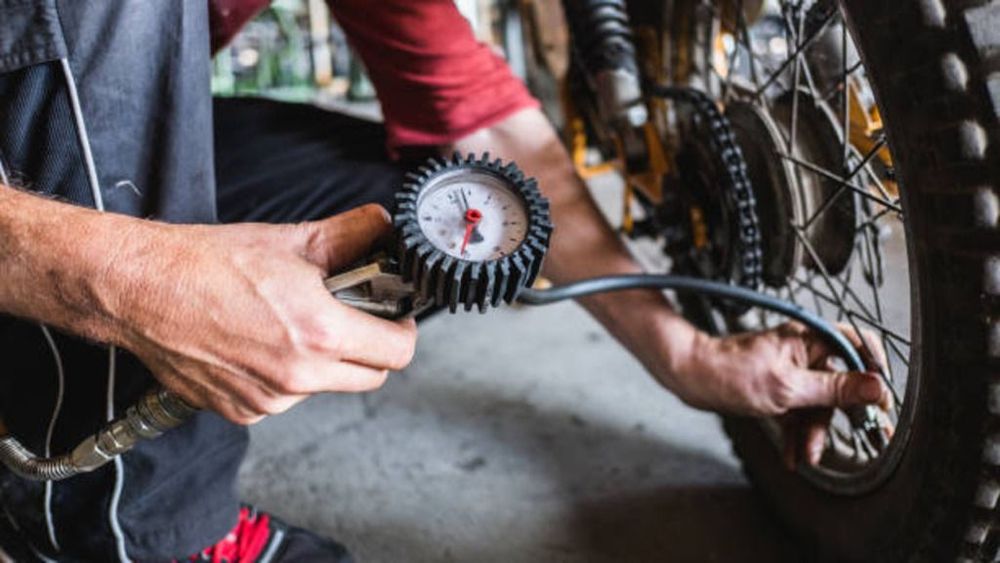


You might check your bike tyre pressure occasionally, but understanding its true impact on your ride quality could transform your entire cycling experience. Every time you hop on your two-wheeler, the air pressure in your tyres determines whether you’ll enjoy a smooth, comfortable journey or struggle with poor handling and unnecessary fatigue. Let’s explore how this simple yet crucial factor affects every aspect of your ride.
The Science Behind Tyre Pressure and Ride Comfort
Think of your tyres as the only connection between you and the road. The air inside them acts like a cushioning system, absorbing bumps and vibrations before they reach you. When you maintain proper pressure, your tyres work exactly as engineers designed them to perform.
How Pressure Affects Road Bump Absorption
Your bike tyre functions like a sophisticated shock absorber when inflated correctly. Here’s what happens at different pressure levels:
Over-Inflated Tyres:
- Transmit more road vibrations directly to you
- Create a harsh, jarring ride experience
- Reduce comfort on rough surfaces
- Increase fatigue during longer journeys
Under-Inflated Tyres:
- Generate a wobbly, unstable feeling
- Lead to excessive sidewall flexing
- Create unpredictable handling
- Cause premature wear patterns
The sweet spot lies in following manufacturer recommendations, which you’ll find printed on your tyre sidewalls or in your vehicle manual.
The Suspension System Connection
Your vehicle’s suspension works hand-in-hand with properly inflated tyres. When pressure levels match specifications:
- Vibrations dampen effectively before reaching the handlebars or seat
- Shock absorbers function within their optimal range
- Weight distribution remains balanced across all contact points
- Overall ride smoothness increases significantly
Long-Term Benefits of Proper Pressure Maintenance
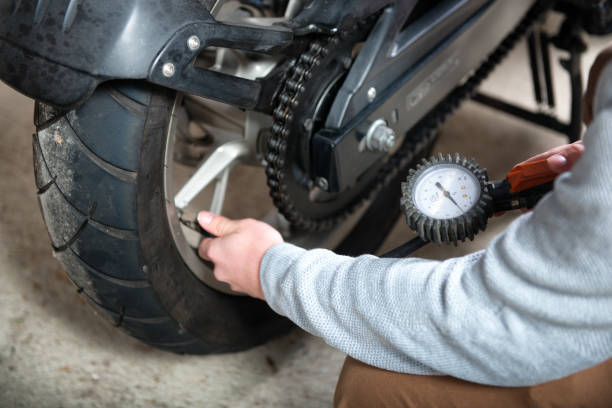
Maintaining correct pressure pays dividends beyond immediate ride quality improvements. You’ll notice benefits in multiple areas over time.
Tread Wear Patterns and Tyre Longevity
Regular pressure checks prevent uneven wear patterns that shorten tyre life:
- Centre Wear: Results from over-inflation, concentrating load on the middle tread
- Edge Wear: Occurs with under-inflation, causing excessive shoulder flexing
- Even Wear: Achieved through proper pressure, maximising tyre lifespan
Considering the tyre price and replacement costs, proper maintenance saves significant money long-term.
Fuel Efficiency and Environmental Impact
Correct tyre pressure reduces rolling resistance, delivering:
- Up to 3% better fuel economy
- Lower carbon emissions
- Reduced operating costs
- Extended intervals between fuel stops
These savings accumulate substantially over your vehicle’s lifetime, making pressure checks a smart financial decision.
Practical Pressure Management Strategies
Implementing a regular pressure maintenance routine doesn’t require extensive mechanical knowledge or expensive equipment. Follow these straightforward approaches for optimal results.
When and How to Check Pressure
Optimal Checking Times:
- Early morning before riding (cold tyres)
- Weekly for daily commuters
- Before long journeys
- After significant temperature changes
Essential Equipment:
- Quality pressure gauge (digital or analogue)
- Portable air pump or compressor access
- Pressure reference chart
- Valve cap replacements
Adjusting for Different Conditions
Your bike tyre pressure needs vary based on several factors:
Load Variations:
- Add 2-3 PSI for carrying passengers
- Increase pressure slightly for heavy cargo
- Adjust based on total weight distribution
- Consider frequent load changes in your routine
Temperature Considerations:
- Pressure drops 1-2 PSI per 10°F temperature decrease
- Check more frequently during seasonal transitions
- Account for heat buildup during rides
- Store vehicles in temperature-stable environments when possible
Terrain Adaptations:
- Highway riding may benefit from slightly higher pressure
- Rough roads might require minor reductions
- Off-road conditions need specific adjustments
- City commuting typically uses standard pressures
The Right Approach to Optimal Performance
When considering tyreoptions or exploring quality two-wheeler tyres, especially for entry-level commuters and scooters like the Honda Activa, tyre price is a crucial factor that most people prioritise. However, performance is where the real mettle lies, and that’s where the actual differentiation begins.
Homegrown brands like Eurogrip feature robust construction that resists pressure loss while providing clear sidewall markings for easy reference. This attention to detail helps riders maintain optimal pressure more easily, extending tyre life and enhancing safety. Their commitment to quality means you get tyres that perform predictably when properly maintained.
Proper bike tyre pressure represents one of the simplest yet most impactful maintenance tasks you can perform. Regular checks and adjustments ensure comfortable rides, optimal safety, extended tyre life, and improved fuel efficiency. By investing minimal time in pressure maintenance, you gain substantial returns in performance, safety, and cost savings.