
Most people think of a windshield as glass. A newer car treats it more like a mounting bracket for part of its brain. Behind the rearview mirror, in a small housing, sits a camera that feeds information to several safety systems at once, and the angle it looks at the road through the glass has to be right down to a tiny fraction of a degree. Replace the windshield, and that angle changes. The car will still start, the dash will look normal, and the systems may still switch on. Whether they work as designed is a separate question. Here are four features that depend on the glass, and what changes when it’s replaced.
Mobile glass companies such as LeeWay Auto Glass list calibration among their services, but whoever you call, it pays to know what the work involves before you book.
The lane icon
Lane departure warning and lane keeping assist watch the painted lines on the road and either alert you or nudge the steering when you drift. They do it by reading images from the windshield camera. If the camera sits at a slightly different angle after a replacement, it can misjudge where the lane edges are. The result might be warnings that fire when you’re centered, or silence when you’re actually drifting.
The unsettling part is that a misaligned camera usually doesn’t trigger a warning light. The system keeps running, just less accurately.
The car ahead icon
Forward collision warning, automatic emergency braking, and adaptive cruise control use the same camera, and sometimes a radar sensor behind the bumper, to judge the distance and closing speed of the vehicle in front. The camera converts the scene into data, and the car decides what to do with it. A camera that’s pointed even a little off changes how far away the car estimates the vehicle ahead to be, which can delay a warning or trigger a brake when nothing is there.
These are the features that matter most in a sudden stop, and they’re the ones you’d least like to find out about by accident.
The rain and light sensors
Some vehicles also place a rain sensor and an automatic high beam sensor near the same spot on the glass. Rain sensing wipers read moisture through the windshield, and automatic high beams read oncoming and ahead lights. These can be sensitive to the gel pad or bracket that connects them to the new glass. If your wipers start acting oddly after a replacement, or your high beams stop switching on their own, tell the installer. It’s a sign something wasn’t reseated properly.
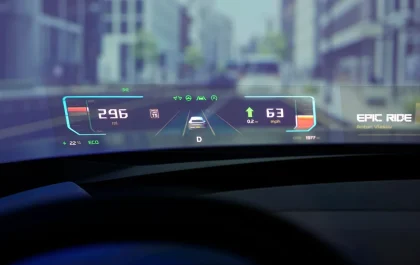
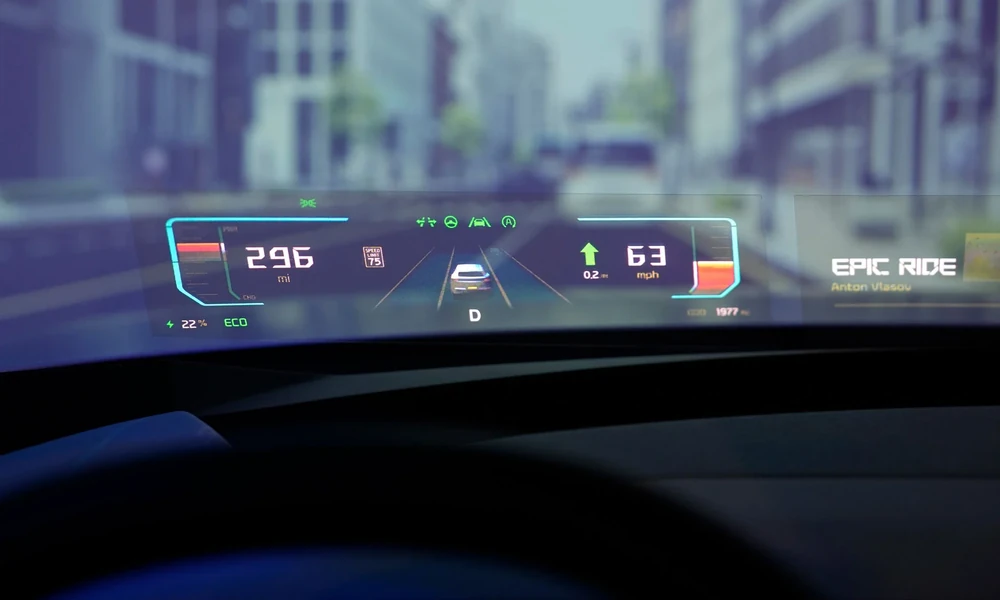
The heads up display
If your car projects speed or navigation onto the windshield, the glass has to be made for it. Vehicles with a heads up display use windshields with special optical properties, and the wrong glass can show a doubled or blurry image. Confirm with the shop that the replacement glass is the correct type for your trim, and check the display before you leave.
What calibration actually is
Putting the camera back in its bracket is only the first step. Calibration teaches the system where the camera is pointing now. The American Automobile Association explains in its article on ADAS sensor calibration that calibration may be required as a byproduct of common service work such as windshield replacement, suspension repair, or wheel alignment. It lists the systems these sensors serve, including automatic emergency braking, adaptive cruise control, lane departure warning, lane keeping assist, and automatic headlight high beam control, and it notes that ultrasonic sensors, the kind used for parking, do not require calibration.
How it’s done varies by vehicle. Some manufacturers call for a static calibration, where the car sits in a controlled space facing printed targets at precise distances. Others call for a dynamic calibration, where the car is driven at set speeds on well marked roads while a scan tool teaches the camera. Some require both. The right procedure is the one in the manufacturer’s service information for your specific vehicle.
Questions to ask before you book
A few direct questions cover most of it. Does my vehicle need calibration after a windshield replacement? Which type does the manufacturer require? Will it be done at my location or in a shop, and if the vehicle needs a controlled space, how will that be handled? Will I get a printed or digital report showing the calibration was completed? Is the replacement glass made to the standard my camera needs, including the correct bracket position?
Also ask your insurer whether calibration is included in a glass claim, so there are no surprises on the invoice. A shop that handles these questions comfortably, and puts the answers in writing, is a better bet than one that says calibration isn’t necessary because no warning lights came on.
The first drive
After the work, check your dash for any warning lights that weren’t there before. On a familiar road with clear markings, notice whether the lane departure warning behaves the way it did before. Don’t test the collision systems by trying to trigger them. If anything feels off, call the shop and ask them to recheck it. It’s much better to find an issue on day one than on the highway.
The glass is part of the sensor
A windshield on a modern car does more than keep the wind out. It holds the camera that reads the road, and the camera is only as good as its alignment. Replace the glass carefully, calibrate the system as the manufacturer requires, and get proof that it was done. Do that, and the safety features you paid for will do their job when you need them. Skip it, and you may be driving with safety systems that look fine on the dash but see the road a little wrong.
Four Dashboard Features That Depend on Your Windshield