


Tracking your mileage correctly can boost your reimbursements and save you money. If you’re often on the road for work — whether as a freelancer or a remote worker — better tracking means more money in your pocket. Mistakes in logging trips can cut your reimbursements, leaving money on the table. With the right tools and habits, you can ensure every mile counts, stay compliant, and feel confident about your claims.
Understanding Mileage Reimbursement and Its Importance
What Is Mileage Reimbursement?
Mileage reimbursement is compensation from your employer or clients for using your vehicle for work. It covers distances traveled for business purposes. The rate is usually based on IRS figures, such as the standard mileage rate, which changes yearly. For example, IRS sets a rate per mile, and companies often follow this rate when reimbursing employees or contractors.
Why Accurate Mileage Tracking Matters
Getting your mileage right is more than just filling out a form. Small errors in your logs can add up to big losses over time. If you underreport miles, you miss out on money you earned. Plus, precise logs help you stay on the right side of tax laws. Imagine forgetting to record a quick trip; that footnote could cost you hundreds at tax time or in reimbursements.
Common Challenges in Mileage Tracking
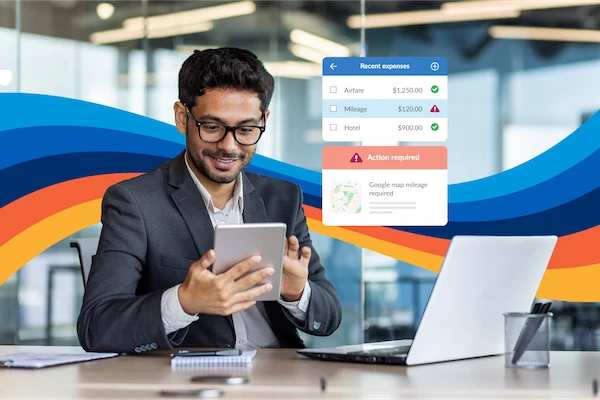
Many people face hurdles when recording mileage. Manual logs can lead to mistakes or forgotten trips, especially when busy. Some travelers forget to start their mileage tracking app or record short trips. GPS data might clash with manual notes, causing doubts about what’s accurate. These issues make it tough to claim every dollar you deserve.
Best Practices for Accurate Mileage Tracking
Implementing Reliable Tracking Methods
Using GPS apps or special mileage trackers takes the guesswork out of logging. These tools automatically spot when you start driving and record all details. For those who prefer pen and paper, keep a dedicated trip journal. Always note start and stop points, dates, and trip purposes for clear records.
Setting Up Consistent Trip Logging
Create habits like always recording trips from your home or office. Be consistent with how you note destinations and reasons for each trip. When schedules get hectic, establish a routine, like reviewing logs every evening. This approach prevents missed entries and keeps records tidy.
Routine Verification and Reconciliation
Make it a habit to review your mileage logs weekly. Cross-check with your calendar, receipts, or fuel records. When using technology, set alerts to flag inconsistent data. Regular checks keep your logs accurate, helping maximize what you claim.
Leveraging Technology for Maximum Accuracy
Choosing the Right Mileage Tracking Tools
The market offers many options — MileIQ, Everlance, Stride, and more. Look for apps that automatically detect drives, keep data in the cloud, and categorize trips. Features like real-time tracking or trip notes can save hours of manual work and boost accuracy.
Integrating Tracking Solutions with Tax and Expense Systems
Sync your mileage data with your accounting or tax software. This works especially well when preparing tax deductions or claiming reimbursements. Export clear reports that list all trips, so you don’t miss any money during filing.
Utilizing GPS and Real-Time Tracking
Real-time tracking captures every mile as it happens, reducing errors. These tools also help manage phone battery life and respect privacy. You can turn on tracking only during work hours and turn it off afterward, giving you privacy when off-duty.
Tips for Optimizing Reimbursement Claims
Maintaining Detailed Trip Records
Always note why you traveled, along with date, time, and starting/ending odometer readings. Like keeping receipts for expenses, detailed records make your claims more credible. Digital backups of logs and receipts protect you if questions arise later.
Timing Your Reimbursements
Submit claims soon after trips. The longer you wait, the easier it is to forget details. Many employers or clients pay on set cycles, so knowing when to send your reports can help you get paid faster.
Staying Updated on Policy Changes
Reimbursement rates update yearly. Keep an eye on IRS figures and your company’s policies. Adapting quickly ensures your claims are correct and maximize your earnings.
Real-World Success Stories and Expert Insights
One small business increased reimbursements by 25% after switching to automatic mileage tracking apps. They noticed missed trips and corrected them easily. Tax professionals emphasize documenting every trip thoroughly. They say, “Good records mean faster, higher reimbursements with less hassle.” Organizations that improved their record-keeping saw overall earnings grow significantly.
Conclusion
Keeping your mileage logs accurate boosts your reimbursements and keeps you compliant. Use technology solutions like GPS apps, stay consistent with recording trips, and review your logs regularly. These habits help you claim every mile you earn from your work trips. Take action now by adopting these tips and tools. Maximize every mile — your wallet will thank you.